The Architecture of Giving: Zayed Humanitarian Day and the System It Built
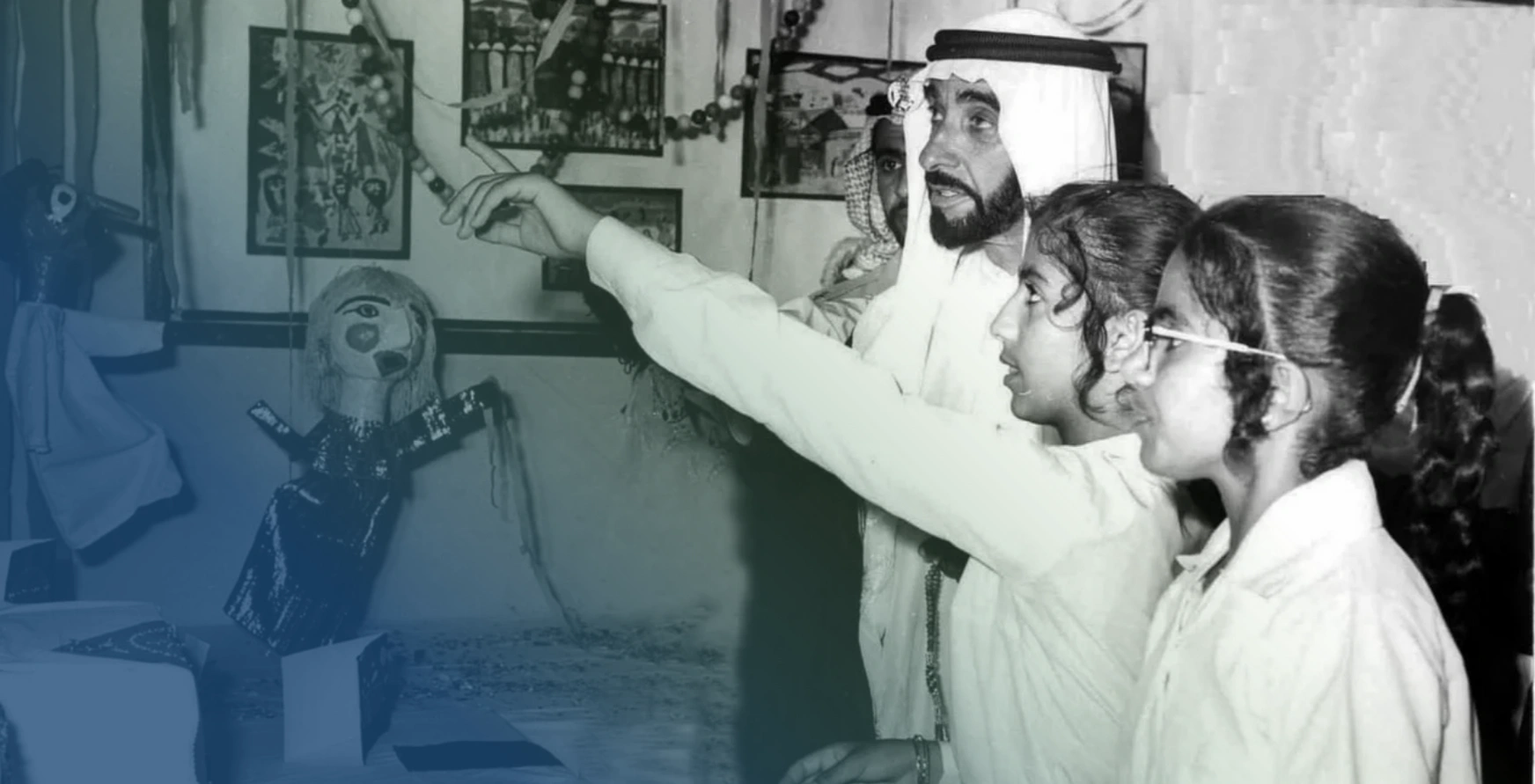
Every year, on the 19th of Ramadan, the UAE pauses, not in ceremony, but in intention.
Zayed Humanitarian Day marks the anniversary of the passing of the Late Sheikh Zayed bin Sultan Al Nahyan. Over time, it has evolved into something more than remembrance. It has become a national moment of renewal, a reaffirmation that giving is not seasonal, not reactive, and not symbolic. It is structural.
“We believe that the best way to use the wealth that God has blessed us with is to share it with our friends and brothers.”
- The Late Sheikh Zayed bin Sultan Al Nahyan
Sheikh Zayed believed that human values bind people together far above any differences of colour, race, or religion. That belief did not remain a personal conviction. It shaped policy. It informed diplomacy. It defined the early contours of the UAE’s engagement with the world.
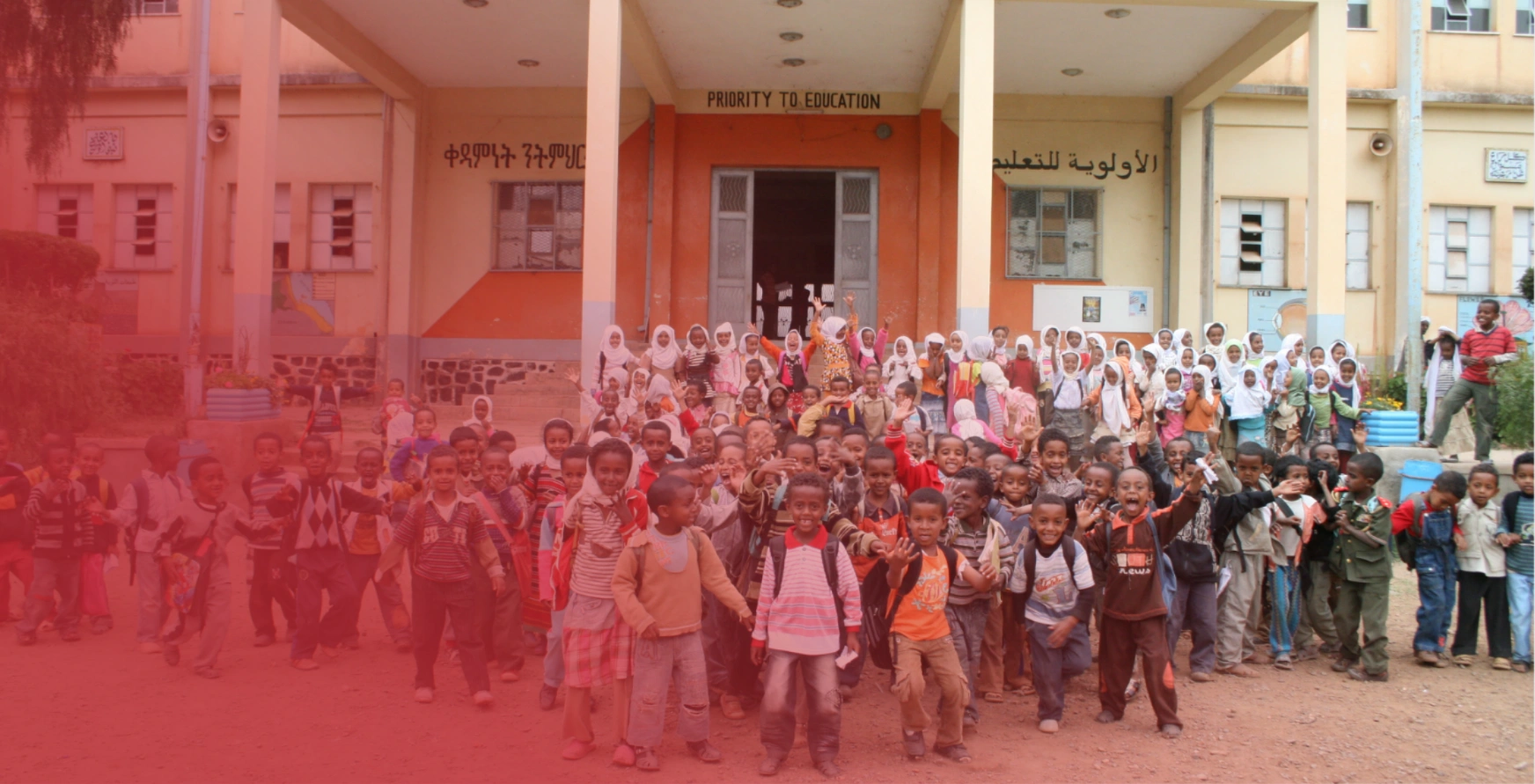
By the time of his passing in 2004, the UAE had extended assistance to more than 117 countries, committing over AED 90 billion toward hospitals, schools, infrastructure, and development initiatives. The scale was significant. More telling, however, was the method: long-term, government-aligned, and institutionally grounded. Zayed Humanitarian Day, formally established in 2012, gave that ethos an annual anchor. Since then, the date has served not only as a tribute to legacy, but as a platform for institutional advancement.
In 2024, marking the twentieth anniversary of Sheikh Zayed’s passing, His Highness Sheikh Mohamed bin Zayed Al Nahyan, President of the United Arab Emirates, directed the establishment of the Zayed Humanitarian Legacy Initiative, allocating AED 20 billion to support vulnerable communities worldwide. A Federal Decree formalized the Zayed Humanitarian Legacy Initiative, while the UAE Aid Agency was announced to further strengthen coordination and governance of foreign assistance. These were not parallel announcements. They were deliberate expansions of an existing architecture, reinforcing alignment across ministries, philanthropic entities, and international partnerships.
“Our Founding Father, the late Sheikh Zayed, was a wise mentor and an inspirational role model to his children and to the nation, and his legacy continues to shape the ongoing development of our country and its people."
- UAE President H.H. Sheikh Mohamed Bin Zayed Al Nahyan
That continuity was evident again in 2025 with the establishment of the Mohamed bin Zayed Foundation for Humanity under Erth Zayed Philanthropies. Consolidating major global health initiatives, including the Reaching the Last Mile portfolio, the foundation focuses on strengthening health systems in less-resourced nations, such as investing in workforce training, disease prevention, and medical infrastructure. Its programmes are projected to reach hundreds of millions of people across Africa, Asia, and the Middle East over the coming years. Anchoring its launch to Zayed Humanitarian Day signaled that humanitarian work in the UAE is not episodic expansion, but cumulative design.
Statistics alone cannot convey the depth of this system, but they illustrate its scale. Since 1971, the UAE’s total foreign assistance has surpassed AED 360 billion. In 2023 alone, foreign aid reached AED 11.7 billion, with humanitarian assistance accounting for AED 4.9 billion, a substantial year-on-year increase. These figures reflect not isolated gestures, but an ecosystem capable of sustained engagement.
When Storm Daniel struck Libya, the UAE activated an air bridge delivering hundreds of tonnes of humanitarian aid within days. When Lebanon faced compounded crises, leadership directed emergency relief alongside recovery support. In Gaza, assistance has included sustained financial contributions, field hospitals, logistical corridors, and medical evacuations coordinated through multilateral mechanisms. Each response moved through established diplomatic channels, logistical networks, and institutional partnerships developed over decades.
His Highness Sheikh Mohamed bin Zayed Al Nahyan continuously affirmed that humanitarian work is an integral part of the UAE’s identity and its approach to global responsibility. That integration is precisely what Zayed Humanitarian Day brings into focus. It does not create humanitarian activity for a single day. It reinforces a system already in motion.
At its core, the observance reflects al-‘aṭā’ al-Imārātī, the Emirati culture of giving, translated into governance. It is visible in decrees, budget allocations, development frameworks, and international agreements. It connects founding vision to contemporary policy and future ambition.
Each year, on the 19th of Ramadan, the UAE does more than commemorate. It recalibrates. It builds. It expands. Zayed Humanitarian Day is not a pause in the nation’s humanitarian work. It is the moment when the architecture of that work becomes visible, and when the next phase of its evolution quietly begins.