About UAE Aid
The Legacy of UAE Giving


UAE Foreign Aid Modalities
UAE Foreign Aid Policy Framework

Supporting Partner Governments and Communities

Addressing Neglected Needs

Leveraging UAE’s Strengths

Fostering Collaboration and Coordination

Promoting Sustainability and Accountability

Prioritising Transparency and Results
Country Partnerships

Humanitarian Assistance
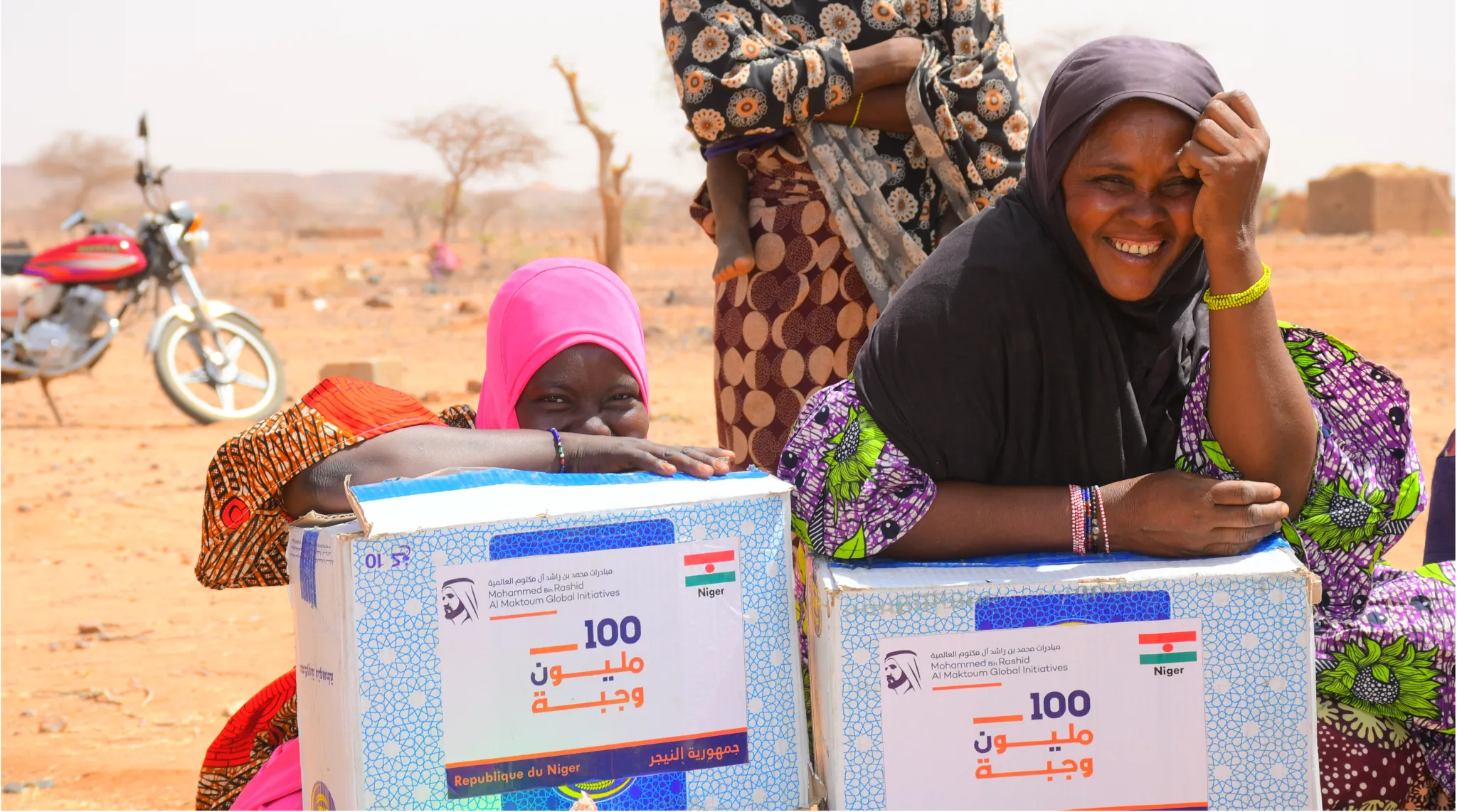
The UAE provides principled humanitarian assistance to save lives, alleviate suffering, and protect the dignity of affected populations, particularly in the face of natural disasters, conflicts, and protracted crises. Guided by international humanitarian law, this support is rapid, neutral, and needs-based, with a strong commitment to leaving no one behind.
The UAE's humanitarian aid strategy combines immediate emergency response with sustained support to multilateral organisations. Assistance is extended both bilaterally and multilaterally, with a specific focus on "forgotten emergencies," which refer to crises that often receive limited international attention and funding. Stabilisation is also a key component of this approach. The UAE actively supports efforts to restore essential services, promote peace and social cohesion, and lay the groundwork for early recovery and sustainable development in fragile and post-conflict settings.

Global Themes

Global Partnerships
The UAE builds strategic partnerships across the global aid ecosystem, working with multilateral organisations, bilateral and triangular partners, multi-donor funds, and national contributors to strengthen aid coordination and promote locally led, sustainable solutions. These partnerships amplify the impact of UAE foreign assistance, strengthen the global aid system, and ensure alignment with the priorities of partner countries.
The UAE also places strong emphasis on private sector engagement, encouraging trade and investment in developing countries, strengthening bilateral business ties, and addressing systemic barriers to economic growth. This includes promoting innovation and entrepreneurship, particularly among local SMEs, to unlock new opportunities and boost community resilience.

Governance, Regulation and Performance Measurement
In parallel, a comprehensive results-based management system enables performance measurement across the UAE’s aid ecosystem. This system monitors progress through clearly defined objectives, assesses outcomes, and promotes learning. It guides adaptive programming through feedback mechanisms and evidence-based decision-making, while also prioritising transparency through regular performance reporting to both national and international stakeholders.
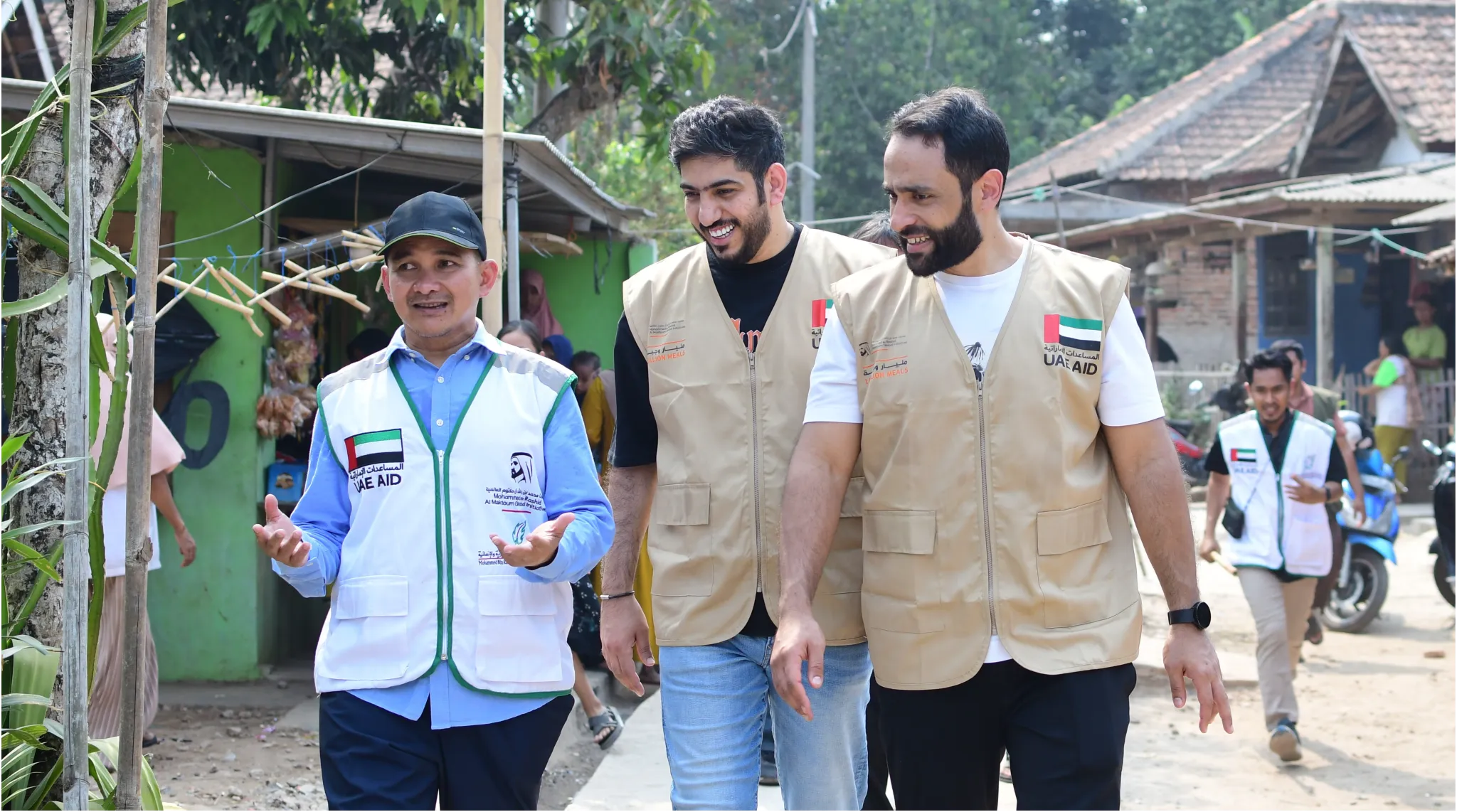
Leading National Entities in Policy, Strategy, and Implementation